
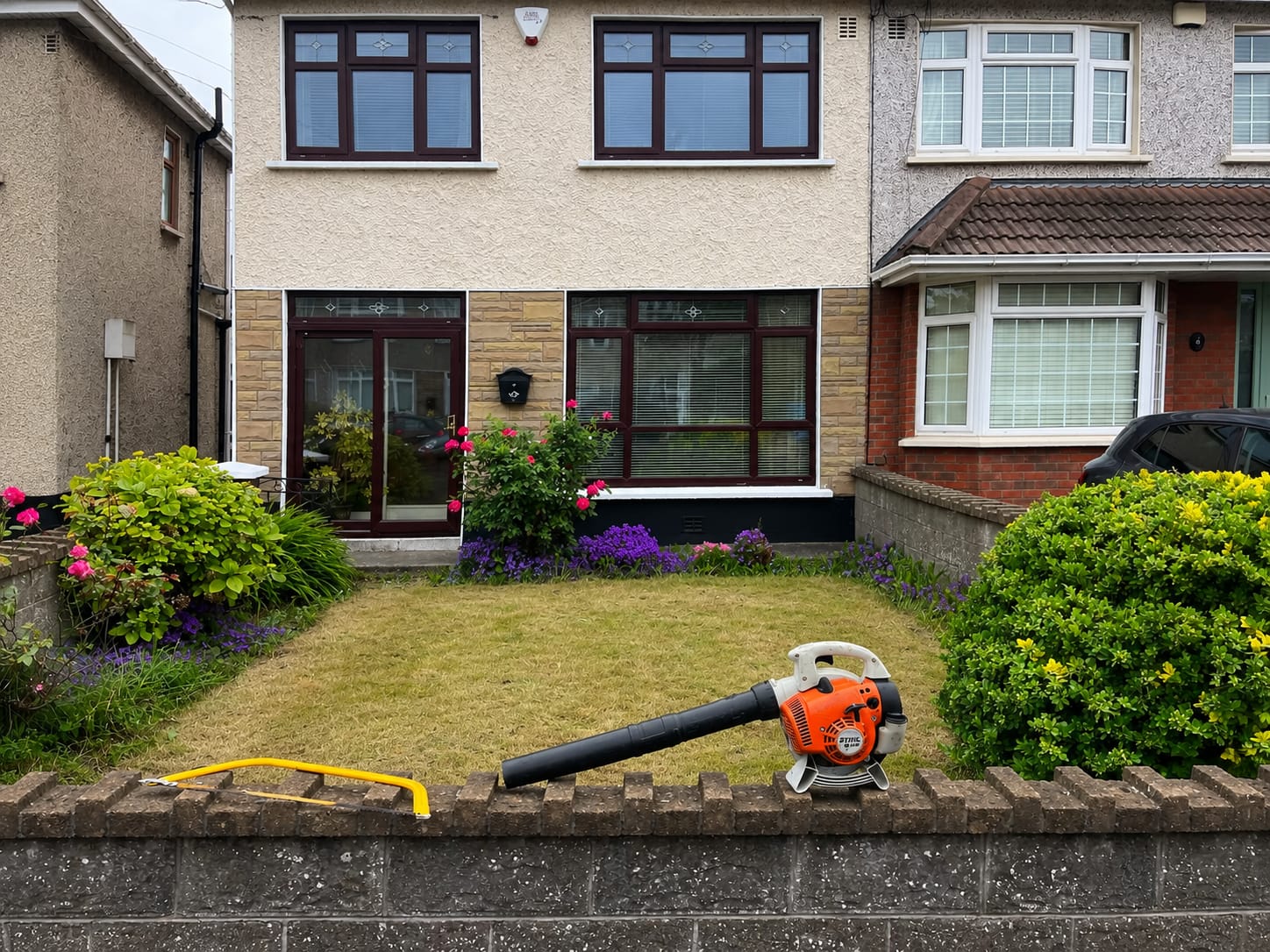
Malahide and Portmarnock have some of the best gardens in the county, and they take a particular kind of looking after. If you are searching for a gardener in Malahide or Portmarnock, the odds are you are not dealing with a bare new-build rectangle. You have established hedges that have been there for decades, mature trees that are now considerably bigger than whoever planted them intended, a lawn on light sandy soil that browns off faster than your neighbour's inland, and a garden large enough that letting it slide for one season creates a genuine problem.
These are gardens where the maintenance decisions actually matter. A mature beech hedge cut badly takes years to recover. A large tree pruned wrongly never regains its shape. And a sandy coastal lawn managed like a clay one will always disappoint, because the two behave nothing alike.
This guide covers what makes gardens along this stretch of coast different, how to look after established hedges and trees properly, why sandy soil changes your watering and feeding, and what a sensible year-round routine looks like for a larger garden.
What Makes Malahide and Portmarnock Gardens Different
- Light, free-draining soil. Closer to the coast and the links land around Portmarnock, ground is often sandy. It drains beautifully, which means no winter waterlogging, but it also loses nutrients and moisture fast. Feeding matters more here and watering matters in dry spells.
- Mature boundaries. Many gardens here have established hedging that is decades old. That is an asset worth protecting, and it needs a different approach to a young hedge.
- Salt wind on the exposed sides. Less severe than an open seafront position, but real. The same principles apply as in our Clontarf and coastal north Dublin guide.
- Larger gardens, higher standards. Bigger plots mean more lawn, more hedge metres and more tree work, and they usually come with an expectation that the garden looks properly kept rather than merely cut.
- Mature trees near boundaries and houses. Trees planted forty years ago are now full size, often closer to buildings and neighbours than anyone would plant them today.
Looking After Established Hedges
A mature hedge is the most valuable single feature in most gardens along this coast, and the most commonly damaged:
- Keep the taper. A hedge should be slightly narrower at the top than the base so light reaches the bottom. Once a mature hedge goes bare at the base, restoring it takes seasons.
- Never cut conifers into brown wood. Most will not regrow from it, and the bare patch is permanent.
- Stage big reductions. Bringing an overgrown mature hedge back in size is done across two or more seasons, not in one afternoon. Rushing it is how established hedges get killed.
- Time it for the coast. Hard cuts before autumn leave soft new growth exposed to the gales. Late spring and early summer are safer here.
- Check for nesting birds before any cut between March and August. Full detail is in our hedge trimming guide.
Mature Trees: What Needs Doing and What Needs a Specialist
Larger gardens here often carry trees that need periodic attention. The honest split:
- Garden-scale work we handle: crown lifting to get light back onto a lawn, thinning, deadwood removal, fruit tree restoration, and staged reductions on manageable trees. Our tree pruning guide covers technique and timing.
- Work for a certified arborist: felling large trees, climbing work in big mature crowns, anything storm-damaged or structurally suspect, and anything near power lines. We will tell you when a job is in that category rather than take it on.
- Worth checking first: trees in some locations carry Tree Preservation Orders, and significant work may need council permission. Always worth confirming before a big cut.
Lawns on Sandy Coastal Soil
This is where local knowledge earns its keep, because sandy ground behaves in the opposite way to Dublin's usual clay:
- Feed more often, in smaller amounts. Nutrients wash straight through free-draining soil, so one heavy annual feed does less good than a properly spaced programme.
- Expect drought stress before your inland neighbours do. Sandy lawns brown off first in a dry spell and recover quickly once rain returns.
- Topdress with compost, not just sand. Organic matter is what helps light soil hold moisture and nutrients.
- Mow slightly higher in summer. Longer grass shades its own roots and holds moisture, which matters more on sand than on clay.
- Waterlogging is rarely your problem, which means the aeration advice written for clay lawns applies differently here. The full seasonal routine is in our lawn care guide.
The Most Common Mistake in Mature Coastal Gardens
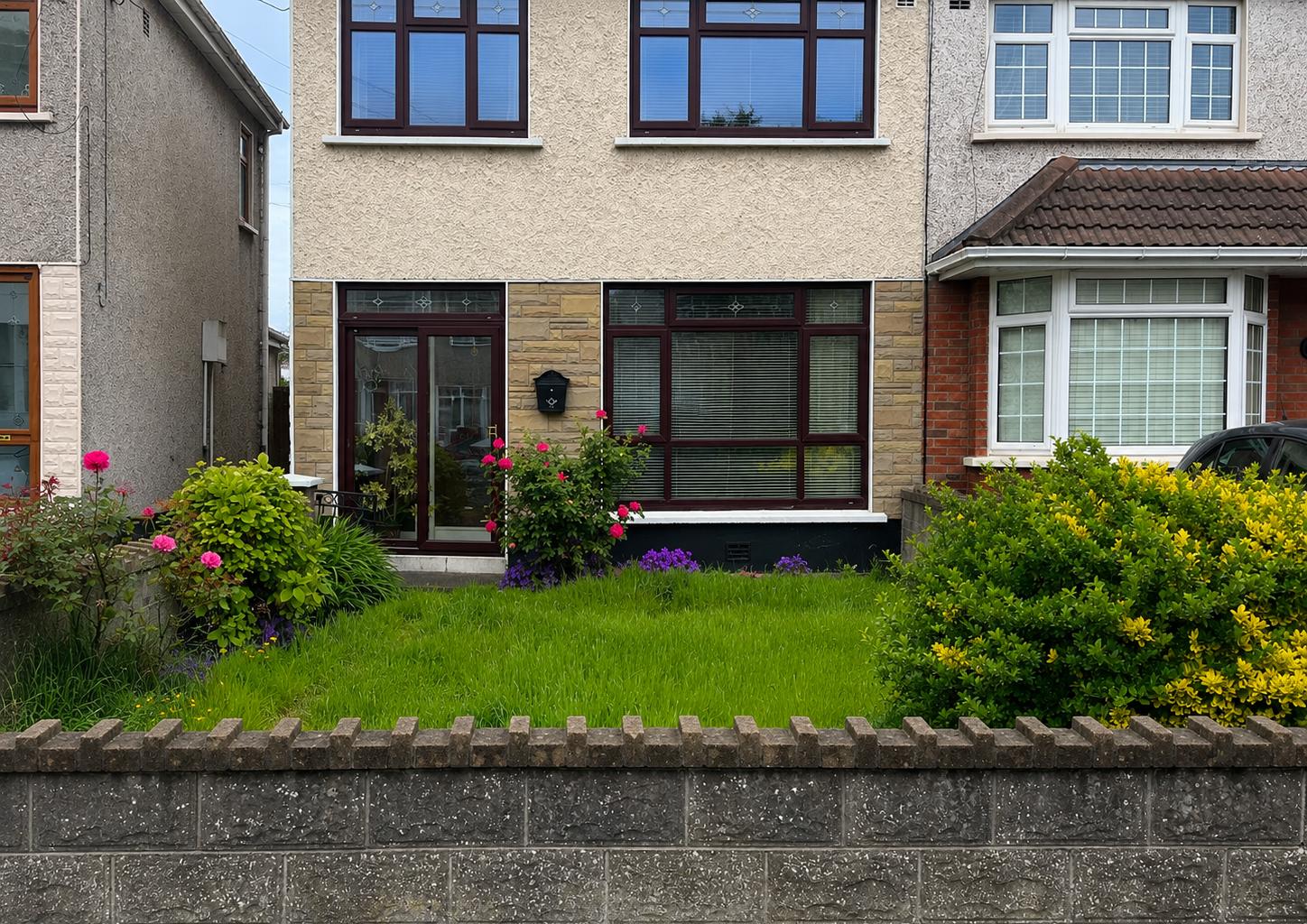
The pattern we are asked about most often along this coast is a mature hedge or tree that has been left slightly too long, then cut back too hard in a single go to make up for it.
It is completely understandable. The hedge has crept out a metre over several years, somebody finally tackles it, and the instinct is to take it back past where it should be so it does not need doing again soon. On a young hedge that is survivable. On a forty-year-old conifer or an established laurel, cutting into bare old wood leaves holes that may never fill, and you have permanently damaged the most valuable thing in the garden.
The alternative costs a little more patience and nothing extra in money: reduce in stages across two or three seasons, keeping the taper, and let the hedge regrow into the new shape. If a mature boundary has got away from you, get it assessed before anyone puts a blade in it.
A Year-Round Routine for a Larger Garden
- Spring: lawn feed and first cuts, beds cleared and mulched, hedge shape-up once frost risk passes
- Summer: regular mowing at a slightly higher blade, main hedge trim, watering through dry spells
- Autumn: final feed, leaf clearing, storm-check trees and stakes, structural planning
- Winter: structural pruning of deciduous trees, boundary repairs, planning next season's work
- Throughout: staged reductions on anything overgrown rather than one hard cut
Areas We Cover
We work across Malahide, Portmarnock, Baldoyle, Sutton, Kinsealy and Swords, along with Clontarf and the coastal north side, and our established south and west Dublin areas. If your address is nearby but not listed, just ask.
Key Takeaways
- Sandy coastal soil drains well but loses nutrients fast, so feeding and summer watering matter more here.
- A mature hedge is the most valuable and most easily ruined feature in these gardens.
- Reduce overgrown hedges and trees in stages across seasons, never in one hard cut.
- Time hard cuts for late spring and early summer so growth hardens before the autumn gales.
- Know the line between garden-scale tree work and a job that needs a certified arborist.
Related reading: Gardener in Clontarf and North Dublin · Hedge Trimming in Dublin · Tree Pruning in Dublin
Looking for a Gardener in Malahide or Portmarnock?
WhatsApp Primegardener.ie photos of your garden, hedges or trees and we will come back with an honest assessment and a fixed price. Regular maintenance plans, hedge care, lawns and seasonal work across Malahide, Portmarnock and the north Dublin coast.
Get a quote on WhatsAppFrequently Asked Questions
Do you cover Malahide and Portmarnock?
Yes, along with Baldoyle, Sutton, Kinsealy, Swords and the wider north Dublin coast, as well as our south and west Dublin areas. Message us your address and we will confirm immediately.
Can an overgrown mature hedge be saved?
Usually yes, if it is reduced in stages rather than cut hard in one go. Laurel, beech, yew and most broadleaf hedges recover well from staged reduction. Conifers are the exception, because most will not regrow from bare brown wood.
Why does my lawn brown off faster than gardens further inland?
Light sandy coastal soil drains quickly and holds less moisture and fewer nutrients. The fix is more frequent feeding in smaller amounts, topdressing with compost to improve moisture retention, and mowing slightly higher through summer.
Do you handle large tree work?
We handle garden-scale pruning: crown lifting, thinning, deadwood and staged reductions. Felling large trees, climbing work in big crowns and anything structurally unsound needs a certified arborist, and we will tell you honestly when that is the case.
Do you offer regular maintenance for larger gardens?
Yes. Larger gardens usually suit a scheduled plan with the seasonal jobs mapped out across the year, so hedges, lawns and trees each get done at the right time rather than all at once. All waste removal is included.
How much does a gardener cost in Malahide?
It depends on garden size, condition and the work involved, and larger gardens with mature hedging naturally cost more than a small lawn. Send photos on WhatsApp for a fixed price, and our cost guide gives honest ballpark figures first.